 Let's Talk
 If you work with fluid systems in the Australian coal mining scene, RS23 should be on your radar. Here’s why:
What is RS23?
Recognised Standard 23: Fluid Power Safety in Coal Mines
RS23 is a recognised standard published by Resources Safety & Health Queensland under the Coal Mining Safety and Health Act 1999. It sets out the minimum baseline requirements for the design, installation, operation, inspection, and maintenance of fluid power systems (like hydraulics and pneumatics) used in coal mines across Queensland.
Unlike voluntary industry guidelines, RS23 sits within the legal framework of Queensland’s safety law. It outlines ways to achieve an acceptable level of risk that inspectors can refer to when they’re auditing or investigating safety outcomes.
Why all the fuss?
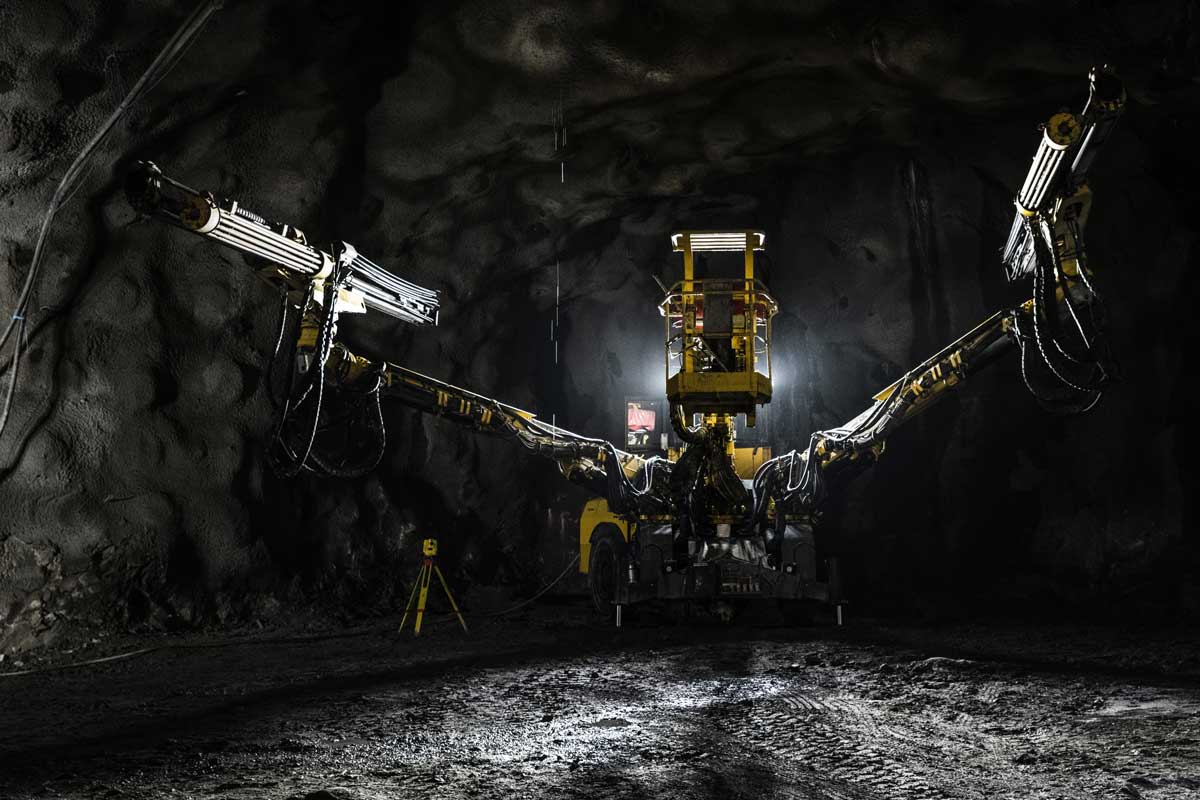
Hydraulic systems are everywhere within a coal mine, and they run at pretty serious pressures. When a hose lets go or a fitting fails, that energy is released violently. If you’re standing in the wrong place at the wrong time, the results could be catastrophic, and you don’t just have to take our word for it. Safety regulators have investigated incidents where:
- Workers have suffered serious grease injection injuries, leading to loss of limb or life
- Burst hydraulic hose on excavator booms have sprayed pressurised oil into the operator’s cab
- Improper maintenance or change-out procedures left hose unfit for purpose
This danger is exactly what RS23 is trying to prevent.
Key safety focuses of RS23
At its core, RS23 protects workers by driving consistency in how hydraulic systems are handled.
Major requirements include:
1. System Design and Component Selection
Every system must be “fit for purpose”, which means you must select components with adequate safety factors, according to load and pressure conditions.
2. Hose Assembly Control
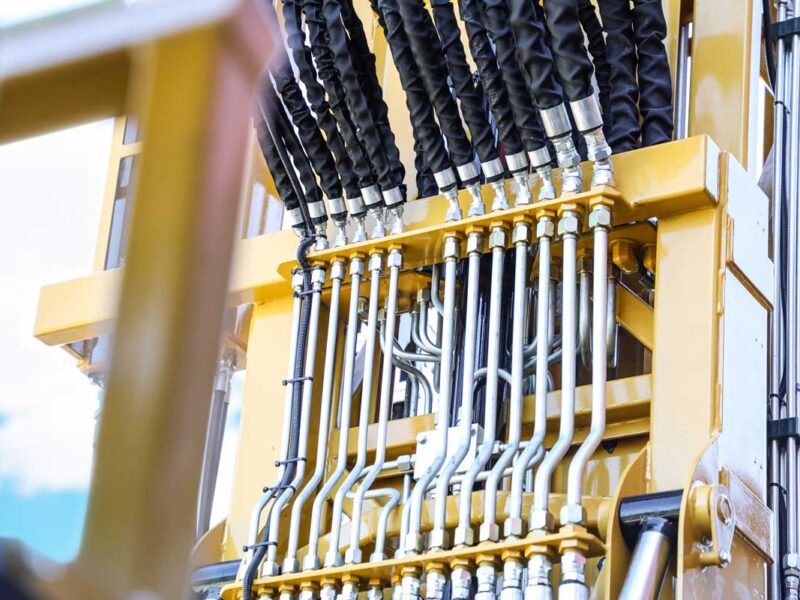
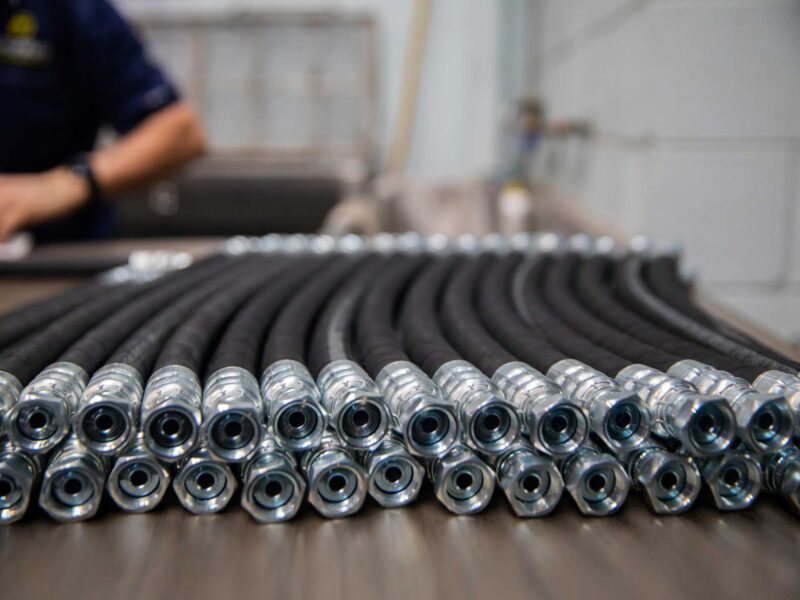
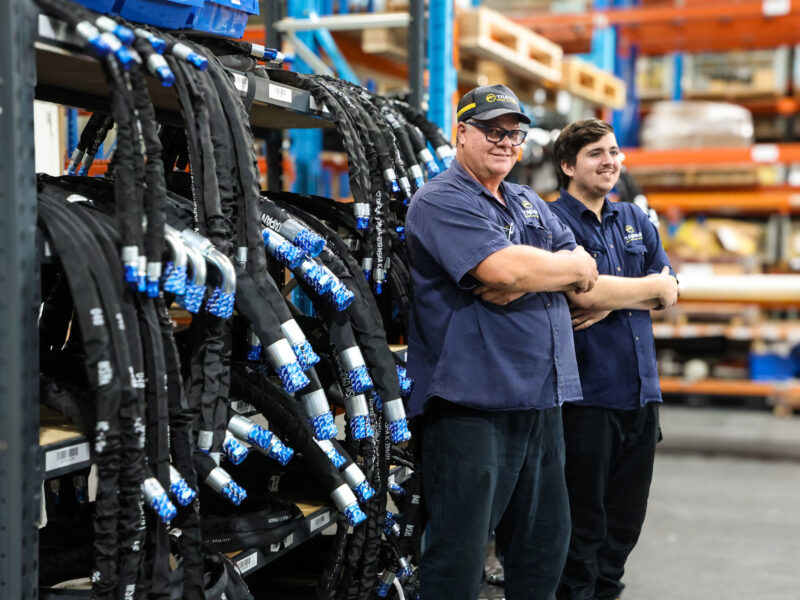
This is a big one. Hose assemblies must be correctly manufactured, identified, tracked, tested, and certified. There are strict requirements around:
- Traceability and unique identification
- Approved fittings and compatible components
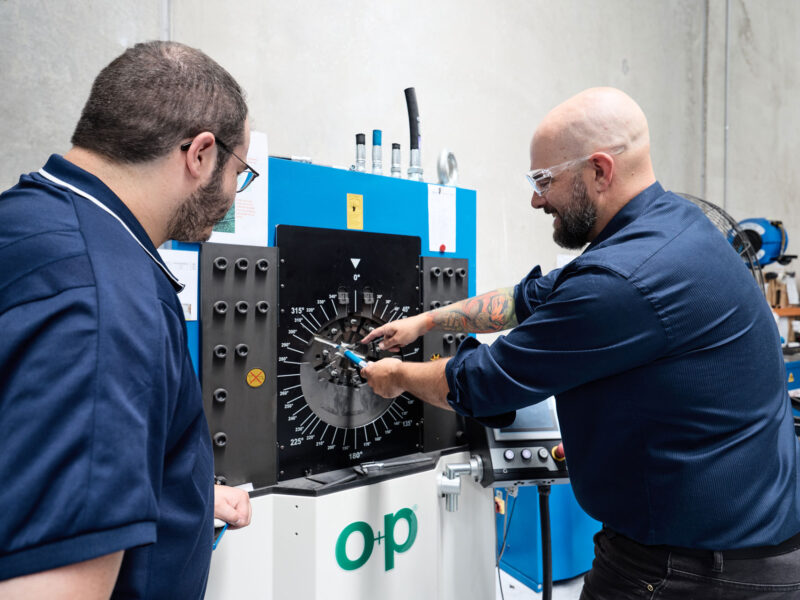
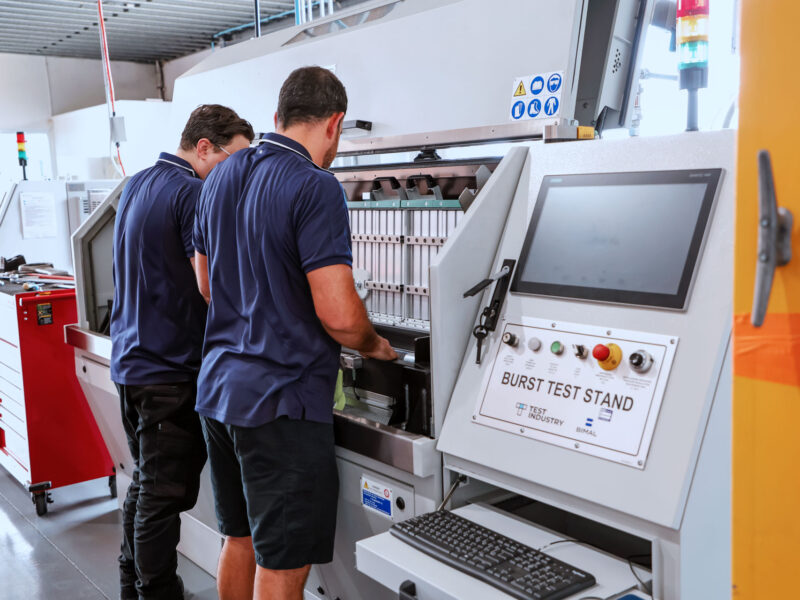
- Crimping specifications and verification
- Corrosion protection
- Installation practices (bend radius, clamping, protection from heat and abrasion)
- Inspection frequency and replacement criteria
In short: if you can’t prove where a hose came from, who built it, and whether it meets spec, you’ve got a serious problem on your hands.
3. Operation and Maintenance
RS23 covers everything from daily pre-start checks to planned maintenance schedules and defect management. Components shouldn’t just be installed; they must be kept safe throughout their whole life cycle.
4. Training and Competence
Everyone who interacts with fluid power systems must be competent. That means training, documented skills, and a culture of understanding what high-pressure hazards look like in the real world.
What this means for the hydraulics industry
While RS23 formally sits under Queensland law, its influence doesn’t end at the border.
Coal mines across Australia are increasingly using RS23 as the benchmark for system and safety management. This means that, even if you never set foot on a Queensland coal site, you’re likely being measured against the same principles.
For hydraulic service providers, this presents both a risk and an opportunity. If your processes rely on informal knowledge, undocumented assembly methods, or inconsistent inspection practices, you may fall short of modern expectations, regardless of which state you’re in. On the flip side, businesses that invest in proper systems, documentation, and training are positioning themselves as low-risk, high-trust partners. That’s a huge competitive advantage, especially in compliance-driven environments.
Contact us
Have a question? Let us know!