 Let's Talk
 The Hidden Cause of Hydraulic Failures: Why Clean Hose and Fittings Matter
Hydraulic system contamination is one of the leading causes of component failure, reduced efficiency, and unplanned downtime. Dirt, metal particles, water, and other foreign materials can damage pumps, valves, cylinders, and seals. The result is often costly repairs and lost productivity.
While filtration is an important part of contamination control, the hydraulic hose assembly itself also plays a significant role.
Sources of Contamination
Contamination can enter a hydraulic system through:
- New hoses and components that have not been properly cleaned
- Incorrect assembly practices
- Damaged seals or connections
- Maintenance activities and fluid top ups
- Environmental exposure during installation
Even microscopic particles can cause significant wear in modern hydraulic systems.
The Role of Hydraulic Hoses
Hydraulic hoses can introduce contamination if they are cut, assembled, or stored incorrectly. Hose cutting creates rubber and wire debris that should be removed before installation. Cleaned, capped, and sealed hose assemblies help prevent contaminants from entering the system during transport and installation.
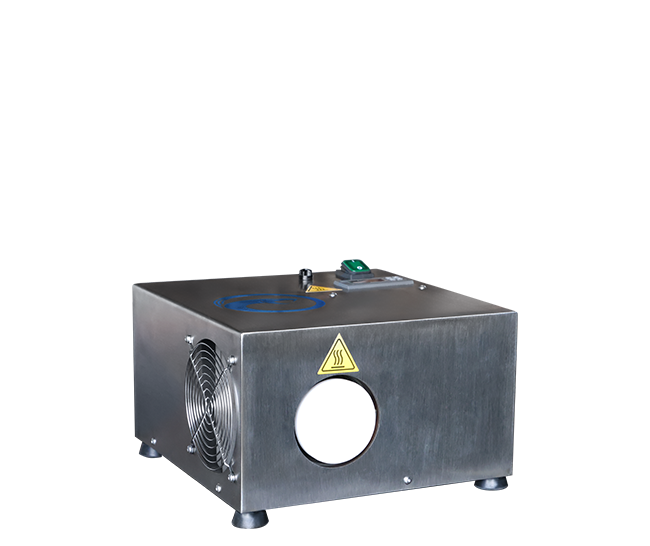
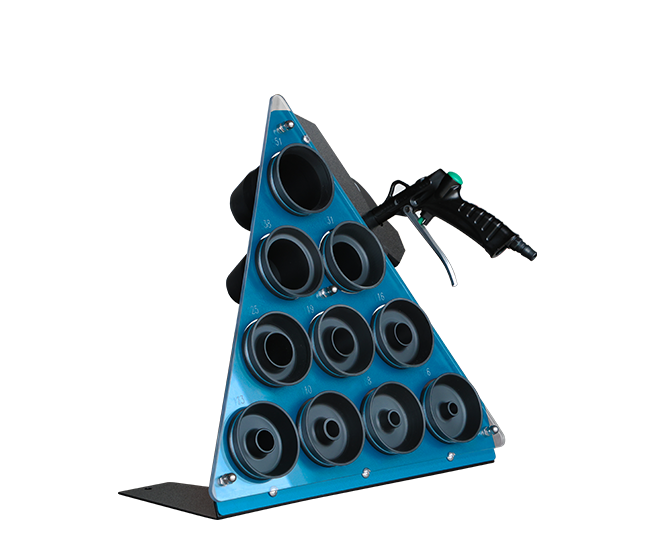
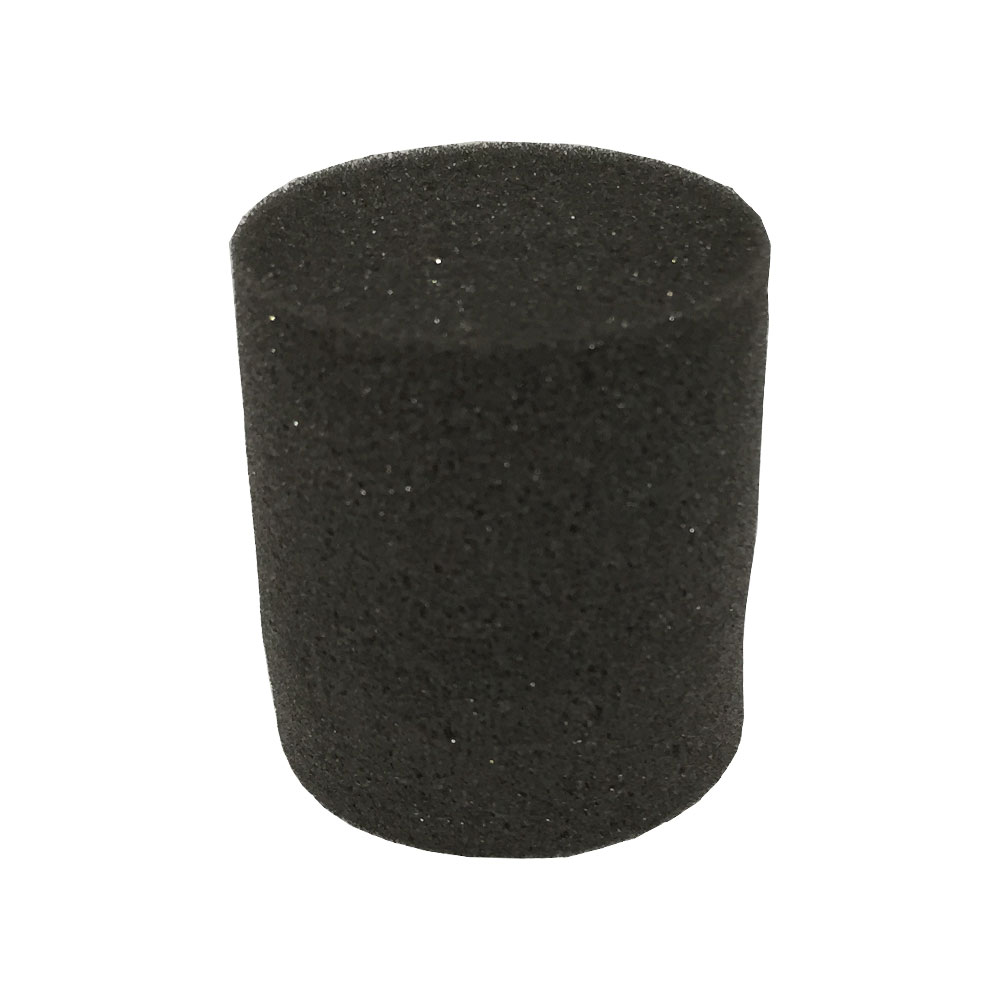
Good assembly practices are essential for maintaining cleanliness. This includes using sharp cutting equipment, cleaning the hose after cutting, inspecting the hose bore for debris, and fitting protective caps to prevent contamination from entering before installation. Many hydraulic hose suppliers also offer hose cleaning kits that use projectiles, compressed air, or specialised cleaning equipment to remove residual particles from inside the hose.
Even a high-quality hose assembly can become contaminated if left uncapped during storage, transport, or installation. Protecting hose ends until the moment of installation helps ensure the cleanliness achieved during assembly is maintained throughout the supply chain.
The Importance of Fittings
Hydraulic fittings and adaptors do much more than connect components; they help maintain the integrity of the hydraulic system. Poor quality, damaged, or incorrectly installed fittings can allow contaminants to enter through leaks or failed seals.
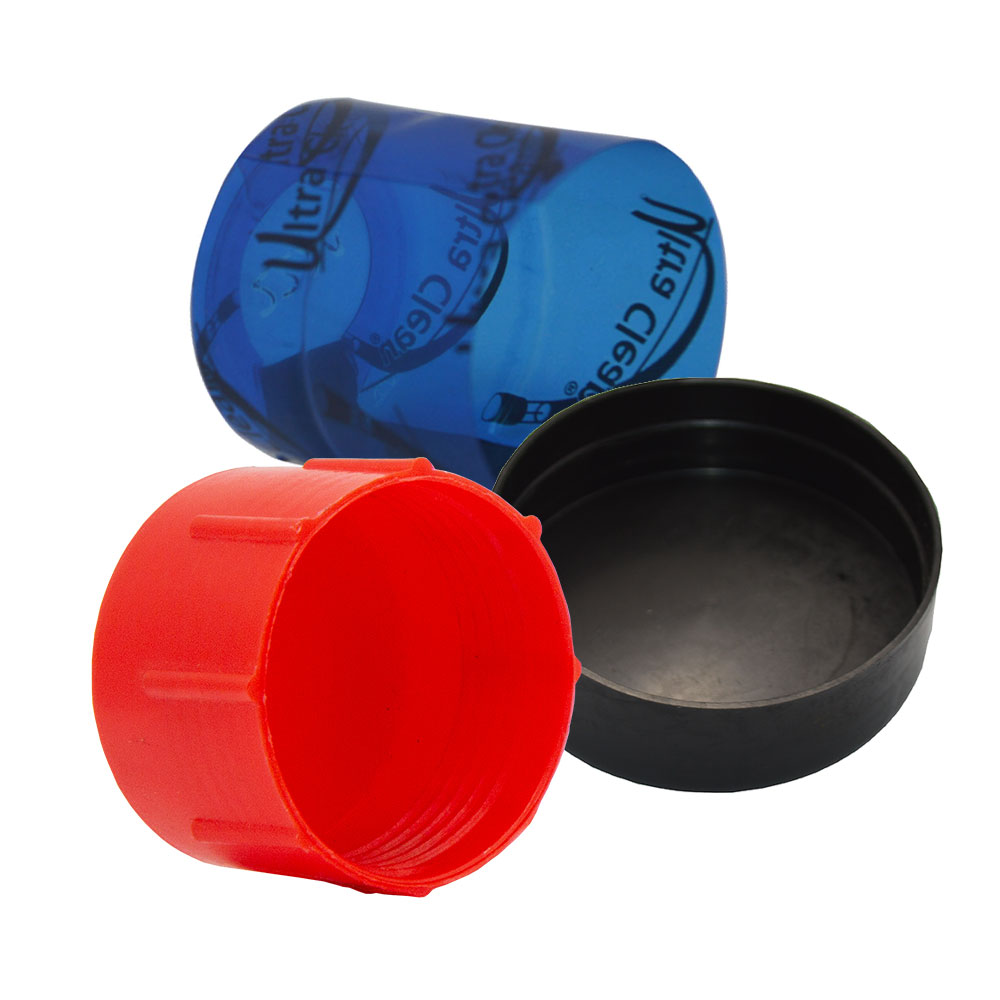
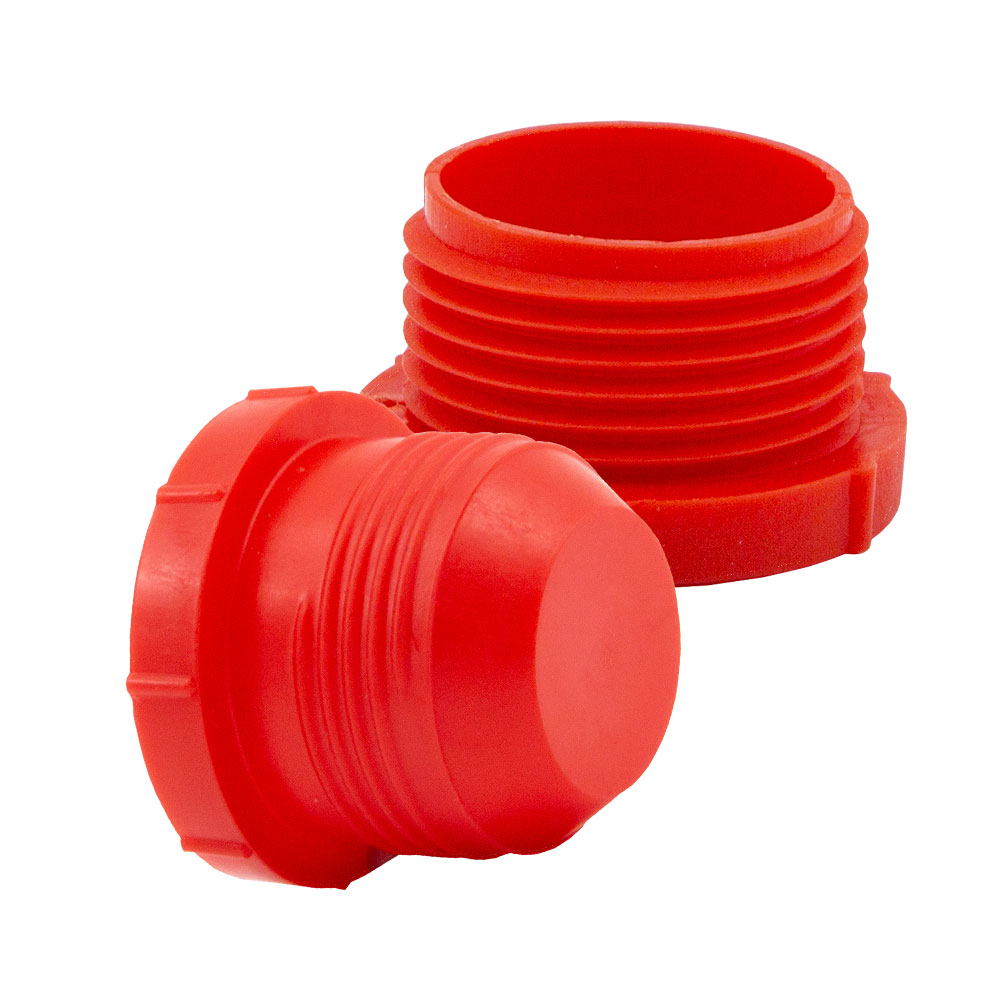
Protective plugs and caps are a simple but highly effective way to prevent contamination from entering hydraulic components before installation. Plastic thread protectors, dust caps, and rubber service plugs help keep dirt, moisture, insects, and other contaminants out of hoses, fittings, adaptors, and ports during storage, transport, and maintenance.
Best Practices for Contamination Control
- Use cleaned and capped hose assemblies
- Keep fittings and adaptors sealed until installation
- Use plugs, caps, and rubber service plugs to protect open ports and connections
- Store hydraulic components in clean, dry conditions
- Replace damaged fittings and seals promptly
- Follow cleanliness procedures during maintenance
- Monitor fluid cleanliness and filtration performance
Effective contamination control begins long before hydraulic fluid reaches the filter. Clean hydraulic hose, quality fittings, and properly selected adaptors all contribute to protecting hydraulic components and extending system life. Attention to cleanliness during assembly, storage, and installation can help reduce downtime and lower maintenance costs.
Products to clean hose:
Contact us
Have a question? Let us know!